Basic 6 types of biogeochemical cycles with examples
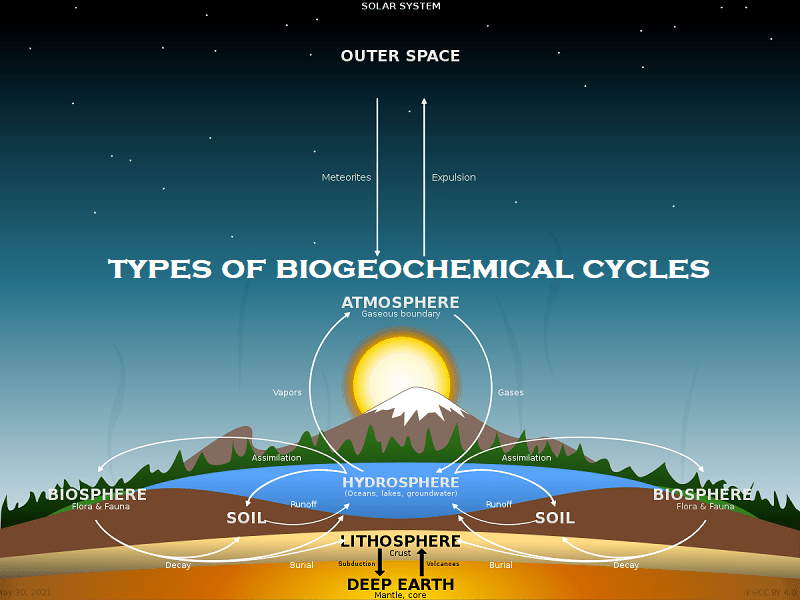
What are biogeochemical cycles? Nearly 30 to 40 elements are required for the proper growth and development of living organisms. Most important of these are C, H, O, P, K, …
A Resource Hub For Young Agriculturists
 Agriculturist Musa
What are biogeochemical cycles? Nearly 30 to 40 elements are required for the proper growth and development of living organisms. Most important of these are C, H, O, P, K, …

What is ecosystem ecology? In short, we can say an integrated study of an ecosystem. In this article, we’ll know the components, classification, characteristics of ecosystems. Ecosystem ecology Definition: Ecosystem …
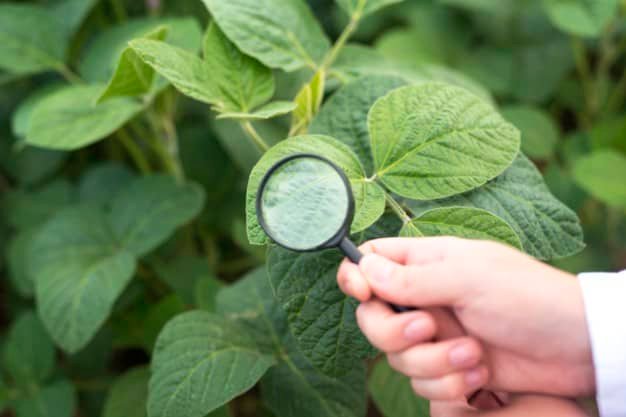
Causes of Plant Diseases: Plant diseases are caused by pathogens. Hence a pathogen is always associated with a disease. In other way, disease is a symptom caused by the invasion …

Characteristics/general features, economic importance, and common species/plants of cucurbitaceae, gramineae, and solanaceae family are given below- Cucurbitaceae family characteristics/general features: Habit: Mostly annual or perennial herbs. They are mostly tendril …
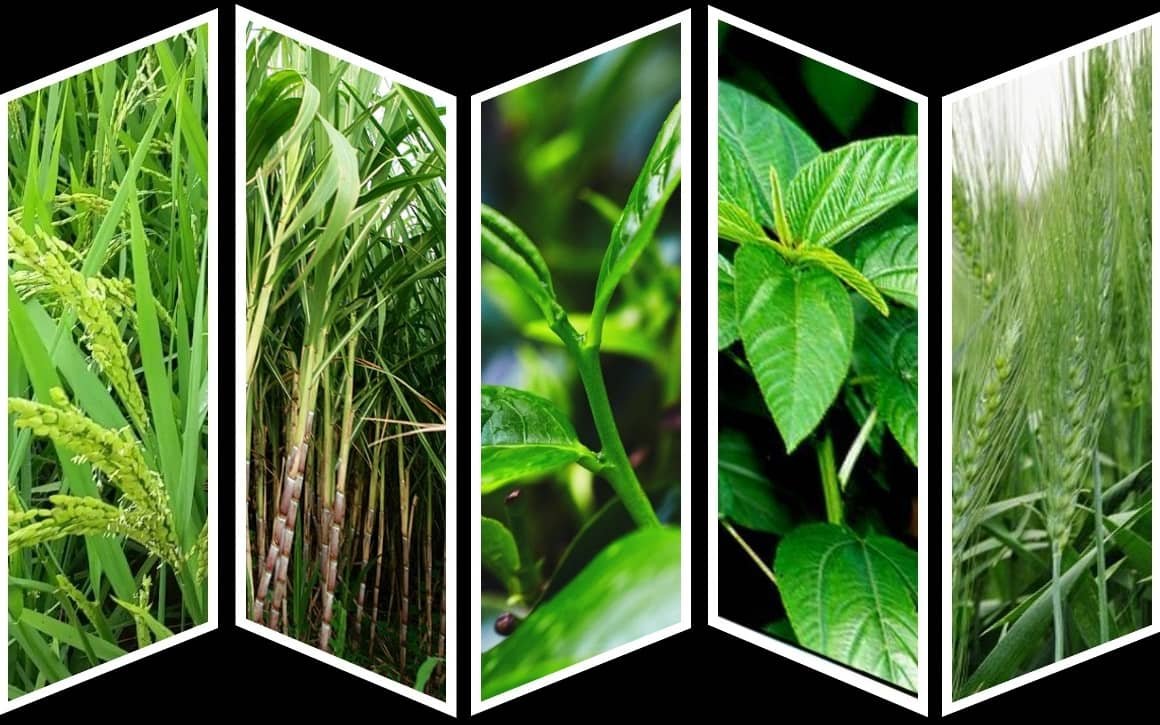
What is External Morphology of Plants? Morphology deals with the forms and features of different plant organs such as roots, stems, leaves, flowers, seeds, and fruits. The study of life …
Definition and structure of Protein: Proteins may be defined as the high molecular wright mixed polymer of alpha-amino acids joined together with peptide bond (-CO-NH-). Polymers of more thane 100 …
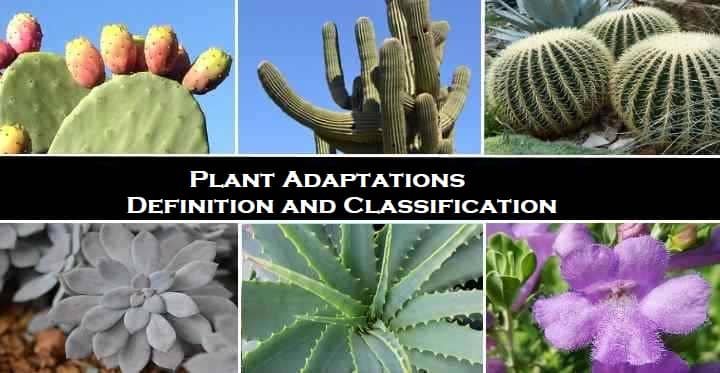
What is plant adaptation? Definition: Adaptation may be defined as the fitness or adjustment of an organism (plants or animals) to its environment or habitat by changing morphological, anatomical, or physiological …

Which mushrooms are edible: There are many types of plants, fungi and microorganisms that are beneficial for us. Some of the are edible. However, there are 9 types of mushrooms …
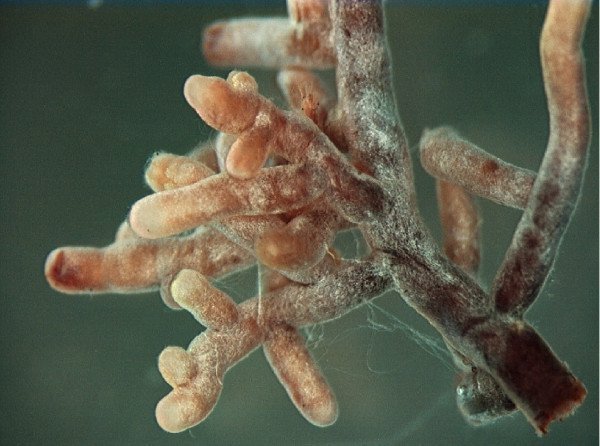
What is mycorrhizae? Types of mycorrhiza; Ectomycorrhizae, Endomycorrhizae: Mycorrhizae is a symbiotic association between a fungus and plant roots. They belong mainly to the genera Basidiomycetes and Zygomycetes. What is …

Difference Between DNA and RNA DNA The sugar majority is deoxyribose. They are formed by four types of nucleotides, deoxyadenylate, deoxyguanylate, deoxycytidylate, and deoxythymidylate. They are found in the nucleus. …