Step-by-step How to Grow Linseed
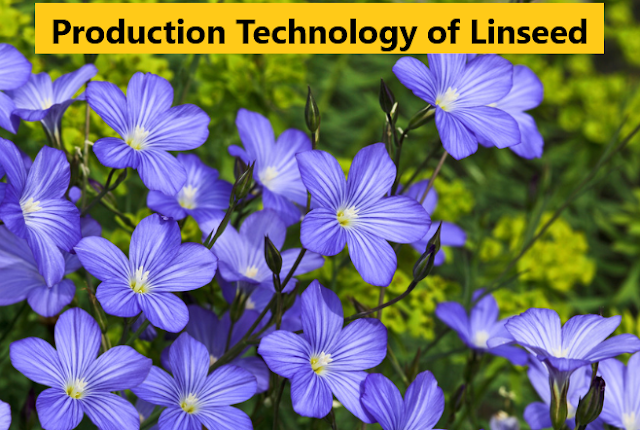
How to Grow Linseed/Production Technology of Linseed Local Name: Jawas, Alshi, Tisi, Moshina. Family: Linaceae. Botanical Name: Linum usitatissimum. Origin: Afghanistan. Economic Uses of Linseed …
A Resource Hub For Young Agriculturists
How to Grow Linseed/Production Technology of Linseed Local Name: Jawas, Alshi, Tisi, Moshina. Family: Linaceae. Botanical Name: Linum usitatissimum. Origin: Afghanistan. Economic Uses of Linseed …

How to grow safflower: Safflower is an annual herbaceous thistle-like plant in the Asteraceae family. It was employed as a saffron replacement by the early Spanish colonies along the Rio …
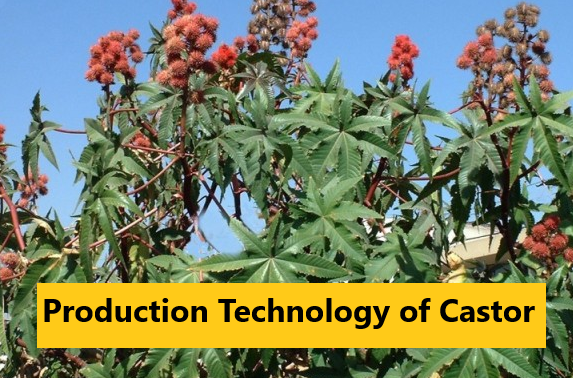
How to Grow Castor/Production Technology of Castor Scientific name: Ricinus communis L. Family: Euphorbiaceae. Importance of Castor Castor is grown for its seeds. The oil extracted …

How to Grow Sunflower Scientific name: Helianthus annuus. Family: Asteraceae. Importance of Sunflower Sunflower is one of the most important oil seed crop grown in temperate …

Types of training Basically there are two types of training. These are A. Pre-service training. B. In-service training. A. Preservice training:In this type of training, an …

Definition and Objectives of Human Resource Development (HRD) in an organization Definition of Human Resource Development (HRD) in organization Human resource development in the organization context is a …
Factors affecting decision making, and Problems/Constraints of decision making Factors affecting decision making There are three aspects which must be considered in order to understand decision making process – …

Decision making techniques /Steps of decision making Concept of Decision making Decision-making is an integral part of modern management. Essentially, Rational or sound decision making is taken as …

Concept and Five Major Elements of management functions Concept of Management Functions of Organisation Management has been described as a social process involving responsibility for economical and effective planning and …

Differences between monitoring and evaluation Evaluation Monitoring 1. Evaluation challenges design. 1. Monitoring accepts design as given. 2. Evaluation draws conclusions and make judgment. 2. Monitoring measures progress. 3. Evaluation focuses on relevance. 3. Monitoring focuses on compliance. 4. Evaluation is conducted at intervals for decision making. 4. Monitoring is a continuous process. 5. Make use of data produced by monitoring. 5. Tools for improving project management. 6. Measures extent of change in the program. 6. Measures adherence to work schedule You can read more articles about Agricultural Extension Useful Agricultural Websites …