Basic Significance of C N ratio in soil

Significance of C N ratio in soil C N Ratio It is the intimate relationship between organic matter and nitrogen contents of soil. The ratio of the weight of …
A Resource Hub For Young Agriculturists
 Agriculturist Musa
Significance of C N ratio in soil C N Ratio It is the intimate relationship between organic matter and nitrogen contents of soil. The ratio of the weight of …
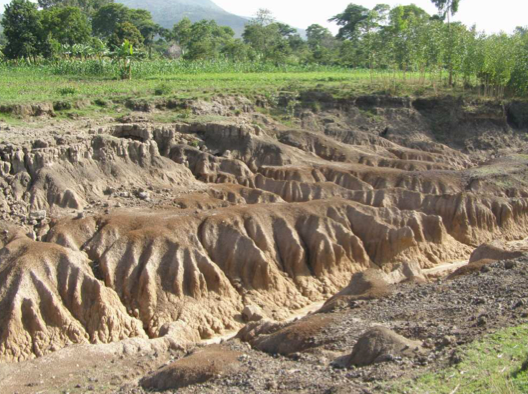
Causes of Soil Depletion The main causes of soil depletion are the accumulation of pathogenic microorganisms (fungi, bacteria, viruses) that inhibit the growth of certain plants by their secretions or by infesting the roots; The development of pests and weeds, and soil exhaustion. Some other causes are given below- 1. Loss of top soil by erosion: This is the removal of the topmost soil by either water or wind. When the topmost soil is taken away, it exposes the layer beneath for further loss, as nutrients are taken away as the topmost soil is removed. 2. Nutrient Leaching: It is the leaching of nutrients deep down the soil by water draining down the soil. This leads to displacement of nutrients beyond the reach of roots of plants. 3. Continuous cropping: It is the continuous cultivation of crops on the same piece of land without allowing the land to fallow. This over exploitation and excessive use of nutrients in the soil leads to their depletion eventually. 4. Compacting: Soil compacting is as a result of the impact of humans, animals and machines on a piece of land long enough to disturb the soil structure. Over long periods, essential components of the soil are lost such as soil air, microorganisms and certain plants that may offer some protection. This is mainly through walking and use of land for certain human activities, impact form, cars and machinery as they apply direct force to the soil. 5. Flooding and excessive irrigation: This leads to excessive water present on land. Excess water drains away nutrients from the soil rendering its deficient. 6. Crop removal: some crops offer some form of protection for soil against soil erosion and evaporation which might otherwise lead to loss of soil nutrients and water. 7. Decrease in organic matter content and soil bioactivity: The decreased levels of organic matter causes a strong reduction in soil fertility as it plays several roles in soil. The microbial activities in …

Role of Organic matter in Soil fertility 1. Soil is the most important natural resources and its fertility and quality indicator for sustainable crop production. 2. OM is …
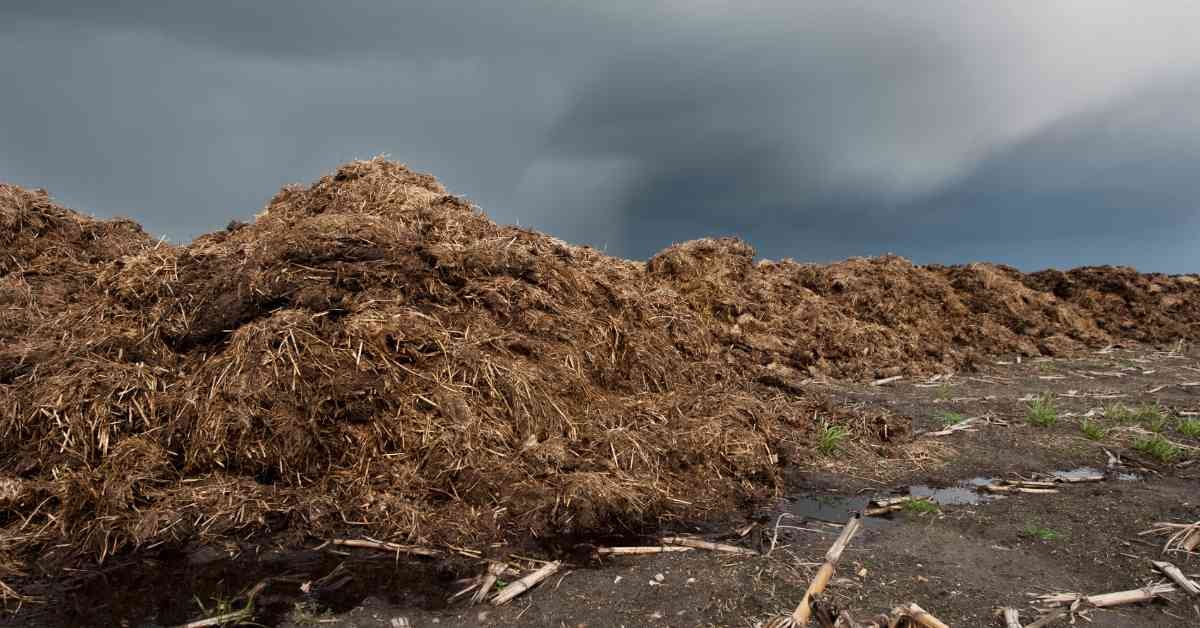
Biofertilizer is a natural way of providing essential nutrients to plants and soil in order to improve their health and fertility. It’s an affordable, sustainable alternative to traditional fertilizer that …
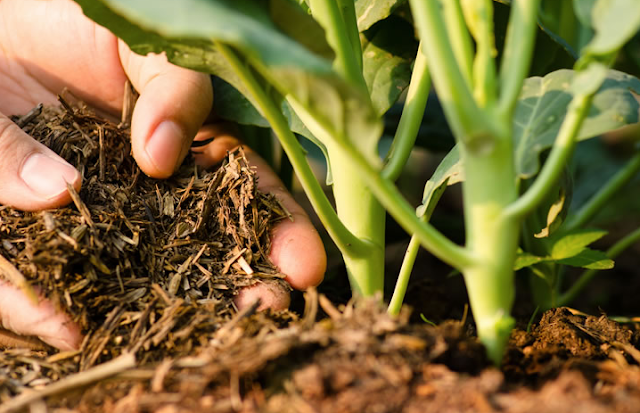
Functions of Humus 1. Effective humus and stable humus are further sources of nutrients to microbes, the former provides a readily available supply, and the latter acts as a longerterm storage reservoir. 2. Humus is a colloidal substance and increases the soil’s cation exchange capacity. From 20 to 70% of the exchange capacity of the soil is owing to colloidal humic substances. 3. Humus can hold the equivalent of 80–90% of its weight in moisture and therefore increases the soil’s capacity to with stand drought conditions. 4. The dark color of humus (usually black or dark brown) helps to warm up cold soils in the spring. 5. Humus has a profound effect on the structure of soils. The deterioration of structure that accompanies intensive tillage is usually less severe in soils adequately supplied with humus. 6. Humus definitely increases the ability of the soil to resist erosion. It enables the soil to hold more water. 7. Humus serves as a source of energy for both macro and microorganisms. The numbers of bacteria, actinomycetes and fungi in the soil are related in a general way to humus content; Faunal organisms are similarly affected. 8. The biochemical structure of humus enables it to moderate or buffer excessive acid or alkaline soil conditions. 9. Organic substances in soil have a …
Humus formation Process Plant residues contain mainly lignin, carbohydrates, and protein. All of which are very high molecular weight, large size compound,s and are also chemically bound to one …

Difference between Manure and Fertilizer Manures Fertilizer 1. Naturally produced. 1. Synthetically produced. 2. Have no definite chemical formula or composition. 2. Have definite chemical formula or composition. 3. Nutrient content low. 3. Nutrient content high. 4. Supplies nutrient indirectly. 4. Supplies nutrient directly. 5. More than one nutrient is present. 5. Generally one or two nutrient is present. 6. Action is slow. 6. Action is rapid. 7. Improves soil condition. 7. May deteriorate soil structure and affect soil pH. …
Basic 11 Difference between Organic matter and humus Organic matter Humus 1. It is relatively less complex. 1. It is relatively more complex. 2. Fresh and partially decomposed organic matter. 2. Highly decomposed organic matter. 3. No new products are formed. 3. New products are formed. 4. It is unstable. 4. It is fairly stable. 5. C:N ratio is high. …

Agricultural Extension specialist (Qualification, Duties, and responsibilities) Qualification A specialist must have the following qualifications; 1. Must have rural background with agricultural cultivation experience.2. Must be agricultural graduate.3. Must have …

Agricultural Extension Administrator (Qualification, Duties, and responsibilities) Qualification 1. Must have rural background.2. Must be agricultural graduate.3. Must have training and technical knowledge and agricultural extension.4. Must have 15-20 years …